
Maine Coon Cat: Real Size, Temperament, and Care Tips (2026)
The maine coon cat is one of the largest and friendliest domestic cat breeds in the world. Known widely as the gentle giant of the cat fancy, this breed pairs a massive, muscular body with a sweet, chirpy nature that charms everyone in the home.
If you want a companion that acts more like an affectionate puppy than an aloof feline, this breed is an easy favorite. They follow family members from room to room, welcome guests at the front door, and enjoy hanging out wherever the household gathers.
What makes a Maine Coon cat so unique?
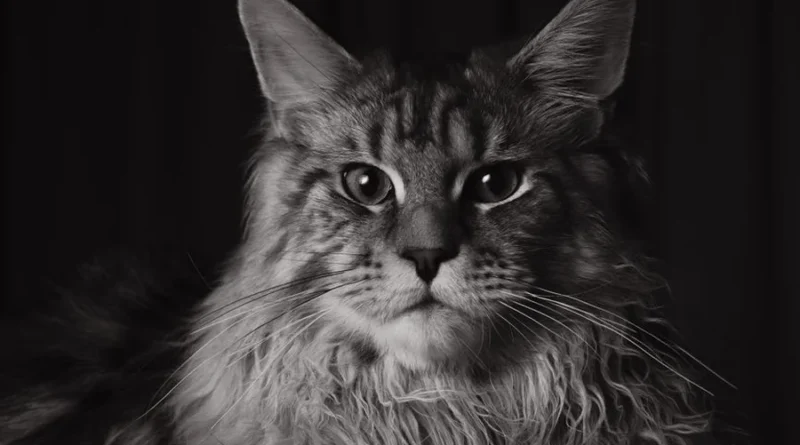
A Maine Coon cat is famous for its long shaggy coat, lynx-like ear tufts, bushy tail, and dog-like devotion to its family. According to registration statistics from the Cat Fanciers’ Association (CFA) in 2025, the Maine Coon consistently ranks among the top three favorite pedigree cats across North America.
Unlike standard domestic shorthairs, these cats developed naturally in the harsh, snowy climate of New England. Their thick water-resistant double coat, wide snowshoe paws with heavy fur tufts, and long bushy tails protected them during freezing Maine winters.
One myth that still circulates is that Maine Coons are a cross between domestic cats and raccoons or wild bobcats. Genetic research published by veterinary biologists confirms that this cross is biologically impossible. They are full domestic cats whose ancestors arrived on trade ships from Europe and adapted to rugged coastal farms.
From what we’ve seen, male Maine Coons tend to act like goofy clowns, while females stay observant and alert. Both sexes keep their kitten-like curiosity well into adulthood.
How big does a Maine Coon cat get?
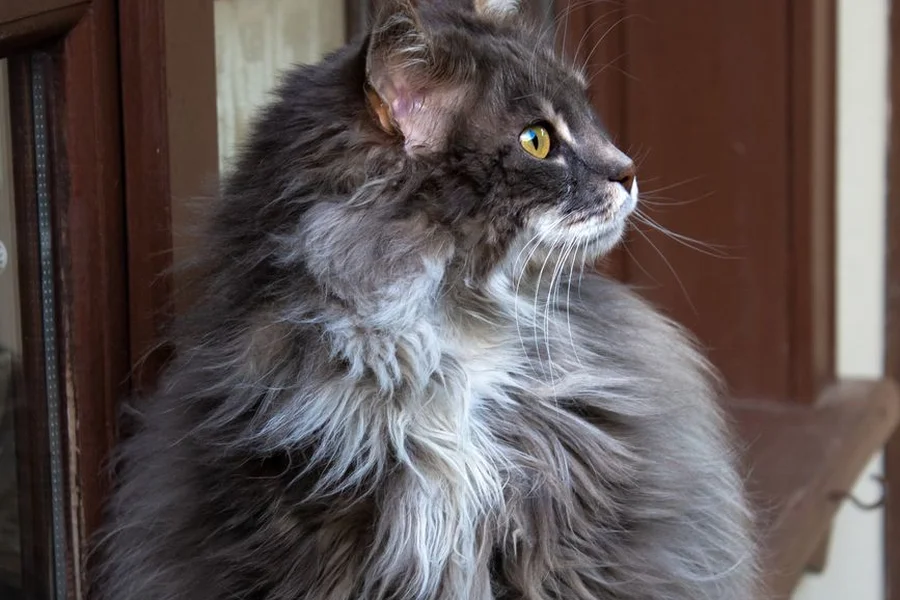
An adult male Maine Coon cat typically weighs between 15 and 25 pounds, while females usually weigh between 10 and 15 pounds. Full body length often stretches between 30 and 40 inches from the tip of the nose to the end of the tail.
What surprises many new owners is their slow kitten growth rate. Most domestic cats reach adult size around one year of age, but a Maine Coon continues building bone mass and muscle until three to five years old.
Say you bring home a four-month-old kitten expecting a quiet lap warmer. By month eight, your kitten weighs ten pounds, steals hair ties off your dresser, and insists on watching the bathroom faucet drip. Preparing your living room for a heavy cat means choosing heavy, wide-based scratchers that will not tip over.
We’ve noticed that sturdy cat trees with solid wood posts prevent wobbling when a 20-pound cat leaps from the floor. Setting up solid furniture also supports essential home safety checks by protecting tall floor lamps and bookshelves from accidental tipping.
What is the Maine Coon cat personality really like?
The Maine Coon cat personality is gentle, sociable, playful, and surprisingly vocal with soft trills and chirps rather than loud meows. They get along smoothly with young children, household dogs, and other cats because of their calm confidence.
These cats want to be close to whatever you are doing without clinging to your lap constantly. When you cook dinner, work on your laptop, or fold laundry, your cat will likely sit right beside you on a chair.
They also show a quirky fascination with running water. One thing most guides miss is how much water these cats splash when drinking. Many Maine Coons love scooping water with their paws, dropping toys into their dish, or jumping into empty bathtubs right after someone showers.
Giving them clean, fresh water fountains helps satisfy their playful curiosity while supporting healthy daily hydration habits to keep kidneys healthy.
How do you groom a Maine Coon cat coat?
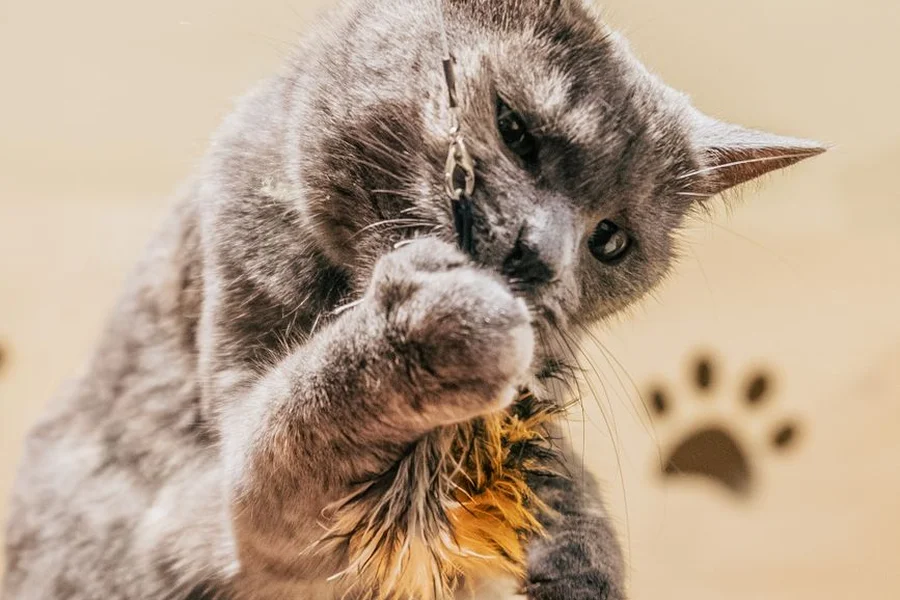
Grooming a Maine Coon cat requires gentle brushing two to three times each week to prevent painful knots and mats. Pay close attention to friction spots, especially under the armpits, behind the ears, and around the fluffy britches on their hind legs.
We prefer wide metal greyhound combs over wire slicker brushes because wire pins pull the sensitive undercoat. A slicker brush often glides over the top guard hairs while leaving mats hidden against the skin.
Here is what works best: start brushing sessions when your kitten is young, using short two-minute treats to build trust. Regular combing keeps shedding manageable throughout spring and fall blow-out seasons, which also pairs well with routine duct cleaning to reduce pet dander inside your home heating system.
A common mistake is buying standard pet supplies. A regular 18-inch litter pan causes accidents once your cat passes 15 pounds because they simply cannot turn around comfortably. Instead, buy a large 30-gallon storage tote and cut a low doorway in the front.
What daily diet and health care do they need?
A healthy Maine Coon cat needs a protein-rich diet focused on real animal meats to support their substantial frame and muscle tone. Portion control is essential because extra weight strains hips and knees that already carry substantial bone weight.
Like many pedigree cats, they carry genetic risks for specific health issues. According to a 2024 veterinary health update by the Cornell Feline Health Center, Hypertrophic Cardiomyopathy (HCM) remains the most critical heart condition monitored in this breed.
Responsible breeders test parent cats with DNA cheek swabs and annual heart ultrasounds before breeding. Other genetic concerns include hip dysplasia and spinal muscular atrophy. Scheduling twice-yearly wellness exams with your local veterinarian keeps common breed conditions detected early.
Frequently Asked Questions
Are Maine Coon cats high maintenance?
Maine Coons need regular brushing two or three times a week and plenty of space, but their calm attitude makes them easy housemates. They adapt smoothly to family schedules as long as they receive interactive play and affection every day.
Do Maine Coon cats really like water?
Yes, many Maine Coons love water because of their water-resistant double coats developed for snowy northern winters. They often dip paws into water bowls, bat at running sink faucets, or sit near showers without fear.
Can a Maine Coon cat stay home alone during work hours?
A Maine Coon can stay home during regular workday hours if provided with interactive puzzle toys, tall scratching posts, and window perches. However, because they thrive on social contact, having a second friendly cat or dog companion keeps them happiest.
Are Maine Coon cats good with children and family dogs?
Their calm demeanor and steady nerves make them exceptional with gentle kids and friendly dogs. Rather than hissing or scratching when kids get loud, they usually walk away calmly to a higher perch until things quiet down.
Are Maine Coon cats part raccoon or wild bobcat?
No, Maine Coons are pure domestic cats. While their bushy ringed tails sparked raccoon folktales and their ear tufts resemble wild lynx, genetic science confirms zero wild animal ancestry.
How long do Maine Coon cats live?
The average lifespan of a well-cared-for Maine Coon ranges from 12 to 15 years. Providing high-grade nutrition, keeping them indoors, maintaining healthy body weight, and running regular vet health checks support a long, active life.
Bringing Home Your Maine Coon Cat
Welcoming a maine coon cat into your family brings years of warmth, lively conversation, and devoted companionship. If you are ready for a large cat with a gentle heart, start by connecting with ethical, health-testing breeders or breed-specific rescues today.
