
Vitamin B12 Fruits: Truth, Top Sources, and Diet Guide
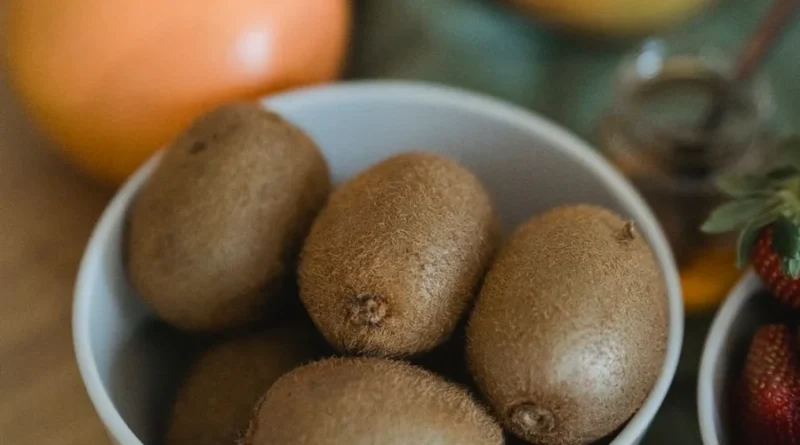
If you search for vitamin B12 fruits, you will find hundreds of articles making bold claims about apples, bananas, and berries. Natural raw fruits do not contain active vitamin B12. Plants and trees cannot synthesize this essential vitamin because only bacteria and single-celled organisms produce it.
From what we’ve seen, many beginners assume eating more citrus or bananas will solve low energy levels. While fresh fruits give you plenty of vitamin C, potassium, and dietary fiber, relying on them alone for B12 can lead to serious nutrient deficiencies. Let us walk through the scientific facts, fortified options, and reliable plant-based alternatives to keep your body healthy.
Do Fruits Contain Vitamin B12?
Natural raw fruits contain zero reliable, active vitamin B12. Vitamin B12, also called cobalamin, comes exclusively from microorganisms found in soil, water, and the digestive systems of animals.
Plants do not require cobalamin to grow, so they do not absorb or produce it in their tissues. A common myth claims that organic fruits contain natural B12 from soil residue. Modern food safety practices wash away surface dirt, removing any microscopic bacteria before fruit reaches your table. According to a 2024 report by the National Institutes of Health B12 factsheet, unfortified plant foods are not dependable sources of active cobalamin.
One thing most guides miss is that washing commercial produce removes any surface bacteria that might have held trace minerals. Because of this, eating unwashed produce is unsafe and still fails to provide adequate B12.
What Are the Best Fruit-Based Options for Vitamin B12?
While fresh raw fruits do not produce cobalamin, fortified fruit products and select wild berries offer unique ways to support your intake.
Fortified Fruit Juices
Fortified fruit juice is the most direct way to get vitamin B12 through a fruit product. Food makers add synthetic cyanocobalamin to 100% pure fruit juices during packaging.
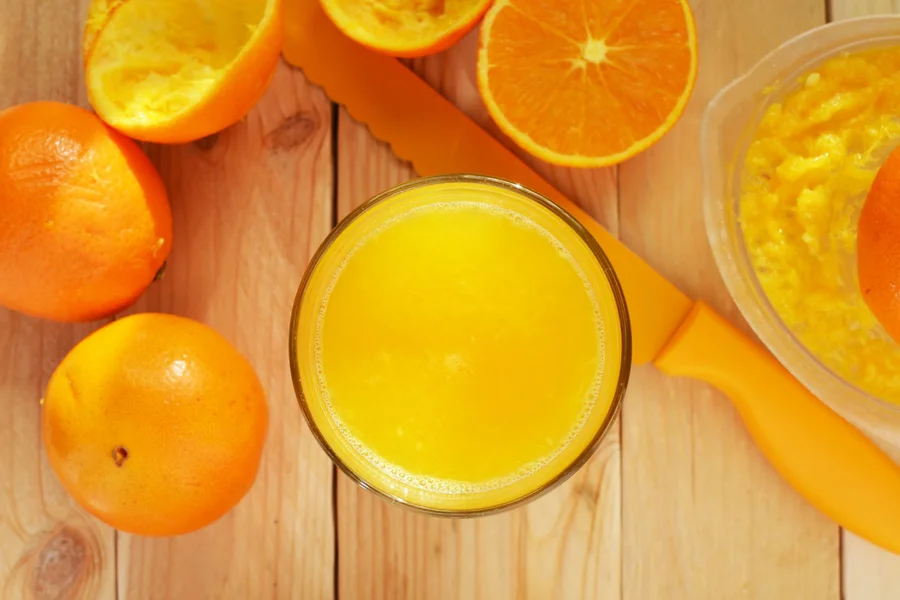
A single 8-ounce glass of fortified orange juice often supplies between 1.2 to 2.4 micrograms of vitamin B12, meeting 50% to 100% of your daily target. Always check the nutrition label to confirm that the brand includes added cobalamin, as standard unfortified juice has none.
Sea Buckthorn Berries and Plant Mysteries
Sea buckthorn is a rare berry that researchers study for trace vitamin levels. Some laboratory tests have detected microscopic amounts of cobalamin on dried sea buckthorn skins.
Scientists believe this occurs due to symbiotic bacteria living on the plant exterior rather than the fruit flesh itself. These trace quantities fluctuate widely between harvest batches. For this reason, medical authorities advise against relying on wild berries as a dependable daily supply.
Why Many People Confuse Fruit Nutrients with Vitamin B12
People often confuse vitamin B12 with other vital nutrients found in fresh fruit, especially folate and vitamin C. These vitamins work as a team in your metabolism, which causes common misunderstandings.
The Role of Vitamin C in Nutrient Absorption
Vitamin C helps your gut absorb iron and supports your immune cells. When you build positive daily hydration habits and eat citrus fruits, your metabolism runs smoothly.
However, vitamin C does not convert into B12. In fact, extremely high doses of synthetic vitamin C taken at the exact same moment as B12 supplements may decrease cobalamin absorption in your digestive tract.
Folate Versus Cobalamin
Folate, known as vitamin B9, is abundant in oranges, papayas, and avocados. Both folate and B12 are necessary to build healthy red blood cells and maintain nerve function.
When someone lacks B12, high folate intake from fruits can mask the initial blood symptoms while nerve damage continues quietly. Maintaining balanced nutrition through consistent, healthy lifestyle habits protects your nervous system over time.
How Can Vegetarians Get Enough Vitamin B12?
Vegetarians and vegans can easily reach their daily B12 targets by combining fortified staples with whole plant foods.
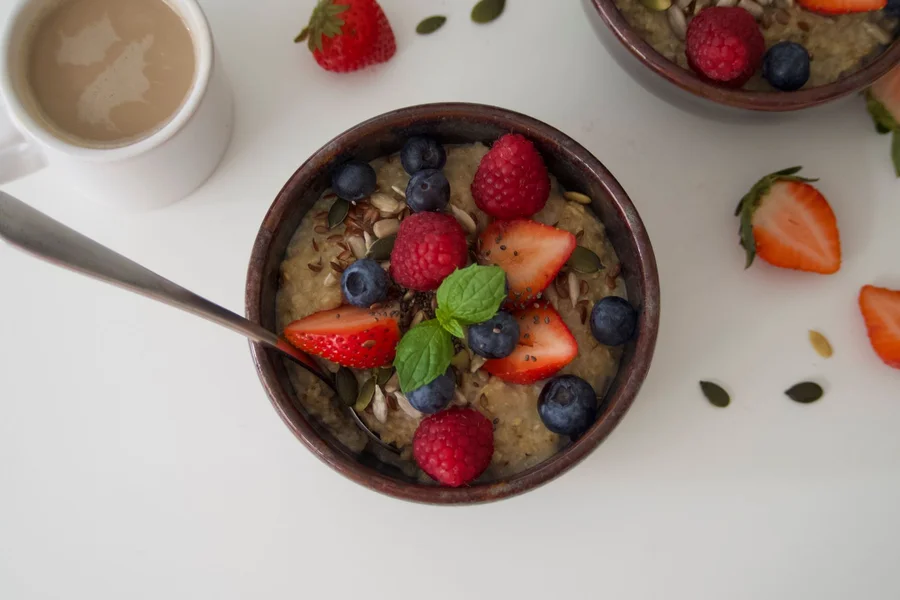
In practice, this looks like adding fortified plant milk or nutritional yeast to your morning fruit smoothie. Here are the most reliable plant-friendly sources:
- Fortified Plant Milks: Soy, almond, and oat milks enriched with B12 provide 1.0 to 2.5 micrograms per cup.
- Nutritional Yeast: Two tablespoons of fortified nutritional yeast flakes deliver over 100% of your daily requirement with a pleasant cheesy flavor.
- Fortified Breakfast Cereals: Whole grain cereals enriched with cyanocobalamin supply clean energy when paired with fresh sliced fruit.
- Oral Supplements: Daily or weekly B12 tablets offer consistent, safe protection against deficiency.
We’ve noticed that pairing fresh fruit with fortified whole grains gives you steady morning energy without nutrient gaps. We prefer cyanocobalamin or methylcobalamin supplements for reliable daily intake because plant amounts vary too much.
How Much Vitamin B12 Do You Need Daily?
Adults need 2.4 micrograms of vitamin B12 each day according to standard health guidelines. Pregnant and breastfeeding women require slightly higher amounts, between 2.6 and 2.8 micrograms daily.
Based on a 2025 research review from the Harvard T.H. Chan School of Public Health, your liver stores surplus B12 for several years. However, once those internal stores run low, symptoms appear quickly.
One mistake we see beginners make is assuming that eating a raw fruit salad daily covers all vitamin groups. This usually leads to gradual fatigue, brain fog, or tingling sensations in the fingers over several months. Instead, try drinking a glass of fortified juice or taking a small weekly supplement alongside your favorite whole fruits.
Frequently Asked Questions About Vitamin B12 and Fruits
Which fruit has the highest Vitamin B12?
No natural fruit contains meaningful amounts of vitamin B12. Fortified 100% orange juice is the highest fruit-based source because food makers enrich it with active cobalamin during processing.
Do bananas or apples have Vitamin B12?
Neither bananas nor apples contain vitamin B12. They provide dietary fiber, potassium, and vitamin C, but they have zero cobalamin content.
Can you fix Vitamin B12 deficiency with fruits alone?
No, you cannot correct a vitamin B12 deficiency by eating raw fruits. You need fortified foods, oral supplements, or doctor-prescribed B12 injections to restore healthy blood levels.
Is dried fruit a good source of Vitamin B12?
Dried fruits such as raisins, dates, figs, and apricots contain zero vitamin B12. Drying fruit removes water and concentrates natural sugars, but it does not create cobalamin.
What are the main warning signs of low Vitamin B12?
Common warning signs of low vitamin B12 include chronic fatigue, muscle weakness, memory fog, numbness or tingling in the hands and feet, and a sore tongue. If you experience these symptoms, consult a medical professional for a simple blood test.
