
The Art of a Healthy Smile: Orthodontic Tips for Everyone
Introduction to Orthodontic Care
A lovely smile transcends being merely a confidence enhancer—it’s a pathway to complete wellness.
Orthodontic care is the science of aligning teeth and jaws to function correctly. It is pivotal in achieving a healthy smile. Orthodontists are not merely dentists with an added specialization; they are experts trained to diagnose, prevent, and treat dental and facial irregularities. Finding an Orthodontist in Littleton can be crucial for accessing state-of-the-art care tailored to individual needs. Beyond aesthetics, orthodontic treatment is essential for improving oral function, including biting, chewing, and speaking. Addressing misalignments can also reduce the likelihood of more severe dental problems, including tooth decay, gum disease, and tooth loss.
By addressing these problems early, orthodontists help ensure that every patient—from young children to adults—enjoys a healthier life with perfectly aligned teeth.
Understanding the Basics of Dental Health
Maintaining excellent dental health is the cornerstone of an effective orthodontic treatment plan. It’s an ongoing commitment involving daily habits and periodic professional care. Brushing twice daily and flossing daily are fundamental practices everyone should follow. They prevent plaque buildup, which can lead to cavities and gum disease if left unchecked. Regular dental check-ups are equally important in identifying potential issues before they become complex problems.
Robust teeth and well-maintained gums improve your smile and significantly benefit your overall health.
According to WebMD, good oral hygiene is linked to reduced risks of cardiovascular diseases and even Alzheimer’s. This highlights the significance of incorporating proper dental habits into everyday life and remaining aware of the best methods to maintain your teeth and gums.
Common Orthodontic Tools and Their Uses
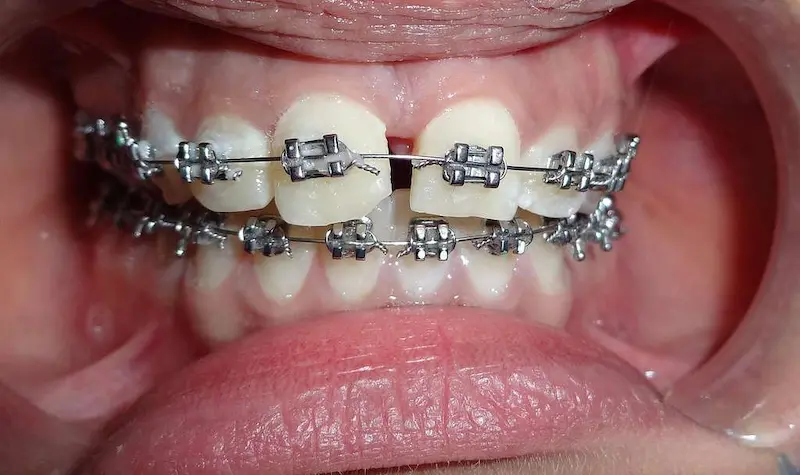
Orthodontics employs a range of tools that are pivotal to the success of treatment plans. The most recognizable are braces, which consist of brackets affixed to the teeth, archwires that connect the brackets, and elastic bands that apply consistent pressure. This complex system works harmoniously to shift teeth into their correct positions slowly over time. Additional tools like headgear or palatal expanders might be recommended for specific needs.
Retainers are another key component in orthodontic care, particularly following the removal of braces. These devices maintain the teeth’ new position and prevent them from returning to their original spots. Grasping the purpose and significance of these instruments can clarify the orthodontic procedure, reduce anxiety for newcomers, and smooth their path to an ideal smile.
Benefits of Early Orthodontic Intervention
Early orthodontic intervention can serve as a cornerstone strategy for long-term oral health. The American Association of Orthodontists recommends that children have their initial orthodontic evaluation by age seven. This might seem early, but identifying and addressing jaw and bite problems at this stage can set the foundation for a healthy oral structure as the child grows.
Timely intervention can influence the development of the jaw, guaranteeing that the adult teeth come in correctly aligned.
For example, early intervention with aligners or expanders can create the necessary space for future tooth eruption if a child has overcrowded teeth. Such proactive measures often lead to shorter and less invasive treatment periods. Moreover, they drastically reduce the need for future corrective surgeries or extensive orthodontic work, saving time and resources in the long run.
Tips for Maintaining Oral Hygiene with Braces
Individuals wearing braces must adhere to a more rigorous dental hygiene routine. Food particles can quickly become lodged in the brackets and wires, creating opportunities for plaque buildup. Using a soft-bristled toothbrush and brushing after every meal is crucial to remove these particles and keep the mouth clean.
Flossing can be challenging with braces, but tools like floss threaders or special orthodontic brushes are invaluable in accessing those hard-to-reach areas. Avoiding sticky, crunchy, or hard-to-chew foods will help prevent damage to the braces and irritation to the gums. Adding an antimicrobial or fluoride mouthwash to your routine can offer additional protection by reinforcing enamel and fighting off harmful bacteria.
Technological Advancements in Orthodontics
Technological advancements are transforming orthodontics. Innovations such as 3D imaging and digital scanning have revolutionized how orthodontic treatment is conceptualized and executed. These tools allow orthodontists to create more precise treatment plans customized to each person’s distinct dental structure.
One of the most significant advancements is the introduction of clear aligners, which offer a more discreet and flexible alternative to traditional braces. Aligners are transparent plastic molds that conform closely to teeth, systematically shifting them into the targeted alignment.
Not only are they less noticeable, but they can also be removed, making it easier to maintain oral hygiene and enjoy meals without restrictions.
Addressing Common Orthodontic Concerns
Potential orthodontic patients often have concerns about discomfort, cost, and the length of treatment. However, many of these can be alleviated with proper education and consultation. Discomfort is frequently manageable with over-the-counter pain medications and using orthodontic wax on brackets that irritate the cheeks or lips.
Orthodontists are skilled at adjusting treatments to ensure patient comfort and promptly address any issues.
Regular check-ups are indispensable for tracking treatment progress and making necessary adjustments. Open communication between the patient and the orthodontist is also vital for addressing concerns, customizing the treatment plan to match the patient’s lifestyle and needs, and reassuring the patient at every step.
Myths and Facts About Braces
Orthodontics, especially braces, is shrouded by misconceptions that may deter people from seeking necessary treatments. One of the most pervasive myths is that braces are purely cosmetic and only suitable for children. Adults can experience both functional and aesthetic benefits from braces, contributing to better oral health.
Another prevailing myth is that braces interfere with electronic devices; modern braces made of metals and polymers do not set off metal detectors or interfere with radio signals. Dispelling these myths is crucial, as it encourages those requiring corrective orthodontic treatment to proceed without unfounded fears, knowing they are making a worthwhile investment in their health and well-being.
